
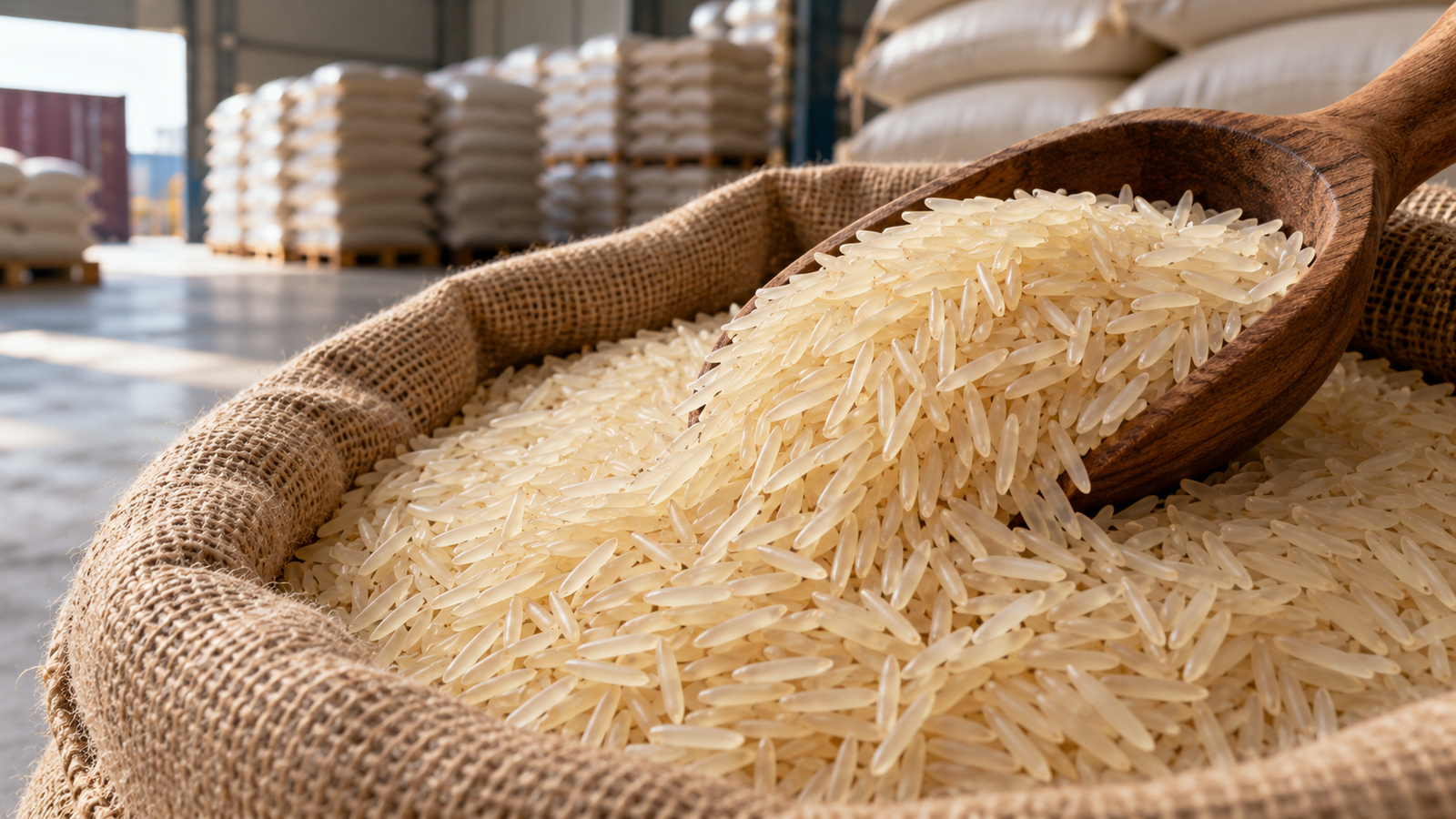
An 1121 sella basmati rice specification should tell international buyers exactly what they are purchasing, including grain length, moisture content, broken rice percentage, and acceptable defects. Two exporters may offer the same 1121 Sella variety, but their products can differ in processing quality, appearance, and cooking performance.
For a wholesale buyer ordering 25 metric tons of rice, these differences can affect the value of the shipment. A small change in the broken rice percentage can mean hundreds of kilograms of additional broken grains, which may matter to restaurants and retailers selling premium Basmati rice.
Pakistan supplies 1121 Basmati rice for international trade, with different grades and processing options available through the export market. Buyers need a clear understanding of the product specification before comparing quotations, approving samples, or confirming a bulk order.
- What Is 1121 Sella Basmati Rice?
- 1121 Sella Basmati Rice Specification: Quality Requirements
- Creamy Sella and Golden Sella Basmati Rice
- How 1121 Sella Rice Specifications Affect Bulk Orders
- How Buyers Can Verify 1121 Sella Basmati Rice Specifications
- Packaging and Export Requirements for Bulk Rice Buyers
- What to Include in a 1121 Sella Rice Import Inquiry
- Source Pakistani 1121 Sella Basmati Rice With FieldFusion Corp
- Frequently Asked Questions About 1121 Sella Basmati Rice
- What is the standard grain length of 1121 Sella Basmati rice?
- What is the moisture limit for 1121 Sella Basmati rice?
- What is the maximum broken rice percentage in 1121 Sella?
- Is 1121 Sella Basmati rice parboiled?
- What is the difference between Creamy Sella and Golden Sella rice?
- How can importers check the quality of 1121 Sella rice?
- What packaging is available for bulk 1121 Sella rice?
- Can international buyers source 1121 Sella Basmati rice through FieldFusion Corp?
What Is 1121 Sella Basmati Rice?
1121 Sella Basmati is a long-grain rice product made from the 1121 Basmati variety. The word Sella is commonly used in the rice trade for parboiled rice, which undergoes treatment with water and heat before drying and milling.
This process changes the structure of the grain and affects its appearance and cooking behavior. Parboiled rice is often preferred for meals where long, separate grains are important, although the result also depends on the rice grade and cooking method.
The ISO 7301:2021 Rice Specification defines parboiled rice through its heat and water treatment process. The standard applies to different forms of rice traded internationally and provides a useful technical reference for importers.
Why 1121 Sella Rice Is Used in Food Service and Wholesale Markets
The long grains and cooking characteristics of 1121 Sella Basmati make it relevant to restaurants, caterers, and rice distributors. It is commonly considered for biryani, mandi, and other dishes where grain length and appearance are important.
A restaurant buyer may focus on how well the rice holds its shape after cooking, while a distributor may pay closer attention to uniform color and grain size. Both need the delivered product to match the approved sample and purchasing specification.
Rice performance cannot be judged by grain length alone. The degree of processing, age and condition of the rice, broken grain content, and preparation method can also influence the finished dish.
1121 Sella Basmati Rice Specification: Quality Requirements
The main quality parameters are measured before a commercial shipment is accepted. They describe the rice’s physical characteristics and help buyers compare different suppliers using the same requirements.
One useful reference is the September 2026 Global Grains and Oilseeds Specifications Guide published by S&P Global. It includes a market-assessment specification for Pakistani 1121 parboiled milled Basmati rice.
Reference Specification for Pakistani 1121 Sella Rice
| Quality parameter | Published reference specification |
| Rice variety | Pusa Basmati 1121 |
| Processing type | Parboiled and milled |
| Average grain length of head rice | 8 mm |
| Moisture content | Maximum 13% |
| Broken grains | Maximum 2% |
| Damaged and yellow grains | Maximum 0.5% |
| Chalky grains | Maximum 4% |
| Contrasting rice varieties | Maximum 7% |
| Foreign grains | Maximum 0.05% |
| Foreign matter | Maximum 0.05% |
| Red rice | Maximum 0.5% |
| Green grains | Maximum 0.5% |
| Under-milled grains | Maximum 1% |
| Milling degree | Very well milled |
Source: S&P Global, Global Grains and Oilseeds Specifications Guide, September 2026.
The values describe a specific published market reference. They are not universal requirements or confirmed product specifications.
The reference gives buyers an example of how a technical rice grade can be described. Actual commercial offers may have different limits based on the buyer’s requirements, available grade, and agreed testing methods.
A rice specification sheet should also identify the product’s origin, processing type, and packing requirements. These details help prevent a situation where two quotations appear similar but cover different products.
Average Grain Length: What Does 8 mm Mean?
Grain length is one of the main selling points of 1121 Basmati rice. The reference specifies an average head rice grain length of approximately 8 mm, measured before cooking.
This is an average measurement, so individual grains will not all be exactly 8 mm long. The buyer should also distinguish between average grain length and the length of the longest kernels in a sample.
Long grains can be attractive in premium retail and food-service markets, but consistency is equally important. A sample with uneven grain sizes may look different after cooking, even if its average length meets the agreed requirement.
Broken Rice Percentage and Grain Appearance
Broken rice is measured as a proportion of the product according to the agreed method of classifying broken kernels. The 1121 parboiled Basmati reference uses a maximum broken grain content of 2%.
A lower broken rice percentage can help maintain the appearance of a premium long-grain product. Restaurants serving rice dishes with visible whole grains may place particular value on this characteristic.
Different commercial grades can have different limits, however, and the lowest broken percentage is not always the most economical option. The buyer’s market and price expectations should determine which grade is suitable.
Moisture Content and Storage Quality
Moisture content is important because rice may remain in storage, bags, and shipping containers for extended periods. Too much moisture can increase the risk of quality loss during transport and storage.
The S&P Global reference specifies a maximum moisture level of 13%. The Codex Standard for Rice, CXS 198-1995, provides a general maximum of 15% and recognizes that lower limits may be needed for particular destinations and storage conditions.
These figures serve different purposes. The 13% figure describes a particular commercial reference grade, while the Codex limit provides broader guidance. Importers should follow the applicable destination requirements and the moisture limit agreed with their supplier.
Damaged, Yellow, and Chalky Grains
Grain appearance can influence buying decisions, especially for distributors supplying premium products. Damaged or yellow grains may affect visual consistency, while chalky grains have opaque areas that can differ in appearance from the rest of the rice.
The reference sets separate limits for damaged and yellow grains and for chalky grains. This matters because one overall quality description cannot explain every type of defect.
A supplier may meet the moisture and broken rice requirements while still offering a product with an unsuitable appearance. For buyers selling packaged rice, these differences may influence customer acceptance.
Foreign Matter and Rice Variety Consistency
Foreign matter refers to unwanted material such as stones, dust, or plant fragments found with the rice. Foreign grains and contrasting varieties are assessed separately under the published reference, making it important to understand how each category is defined.
Rice from a different variety may affect the uniformity of a shipment. This can be important when customers expect a particular grain shape, aroma, or cooking performance.
A complete quality report should identify the relevant limits rather than stating only that the rice is clean or export quality. Buyers can then assess the product against measurable requirements.
Creamy Sella and Golden Sella Basmati Rice
1121 Sella Basmati is sold in different commercial forms, including Creamy Sella and Golden Sella. Both are associated with parboiling, but their appearance differs because of the processing conditions used.
For importers, the difference matters when customers have established preferences for rice color and cooking characteristics. The actual sample should be reviewed before the final grade is selected.
Creamy Sella Basmati Rice
Creamy Sella generally has a lighter, cream-colored appearance. It is considered by buyers who want parboiled rice with a relatively light grain color.
The finished color can vary between suppliers and processing batches. A buyer supplying a retail brand should therefore agree on the acceptable appearance and inspect a representative sample.
Golden Sella Basmati Rice
Golden Sella has a more noticeable golden or amber appearance. Its color is linked to the processing conditions used during parboiling.
The preferred shade depends on the destination market and customer requirements. Golden color alone does not establish the rice’s grain length, broken grain content, or cooking quality.
| Feature | Creamy Sella | Golden Sella |
| Rice variety | 1121 Basmati | 1121 Basmati |
| Processing category | Parboiled | Parboiled |
| Typical appearance | Light cream | Golden or amber |
| Main buying consideration | Lighter appearance and cooking performance | Golden appearance and cooking performance |
| Grain length and broken rice limits | Based on agreed grade | Based on agreed grade |
The processing type should be written clearly in the purchase inquiry. This prevents confusion when a supplier offers several forms of 1121 Basmati rice under similar product names.
How Is 1121 Steam Rice Different From Sella Rice?
Steam rice and Sella rice are sold as separate product categories in the rice trade. The distinction is related to processing, which can influence grain color and cooking behavior.
Commercial use of the word steam may differ between suppliers, so buyers should ask for the actual processing method rather than relying on the product name. A written specification and representative cooking sample provide a clearer basis for comparison.
Both categories may serve wholesale and food-service markets. The most suitable choice depends on the appearance, texture, and cooking results required by the customer.
How 1121 Sella Rice Specifications Affect Bulk Orders
Quality differences become more significant when rice is purchased by the container or in repeated wholesale shipments. The broken grain percentage is one example of a specification that can affect the amount of rice sold as whole or long-grain product.
Consider two hypothetical quotations for 25 metric tons of 1121 Sella Basmati rice.
| Buying factor | Supplier A | Supplier B |
| Order quantity | 25,000 kg | 25,000 kg |
| Maximum broken grains | 2% | 5% |
| Broken grains allowed at the limit | 500 kg | 1,250 kg |
| Difference in permitted broken grains | 750 kg more |
Supplier A’s specification allows up to 500 kg of broken grains, while Supplier B’s allows up to 1,250 kg. At their respective limits, the difference is 750 kg across the shipment.
This does not mean either shipment will contain the maximum permitted amount. It shows how different quality limits can affect a buyer’s assessment of two offers.
For a premium retail distributor, a lower broken rice percentage may be worth a higher price. A different buyer may accept more broken grains if the product meets its customer’s needs and offers a suitable commercial return.
The comparison is illustrative and does not represent quotations from FieldFusion or any other actual supplier.
Comparing the Total Purchase Cost
The price per metric ton is an important part of a rice quotation, but the complete purchasing cost also depends on freight, packaging, inspection, and delivery arrangements.
Consider a buyer who receives a lower price for rice with a higher broken grain limit. That price may appear attractive until the buyer accounts for customer quality requirements or the cost of further sorting.
The comparison should therefore use the same rice grade, packing, quantity, and delivery term wherever possible. This gives the purchasing team a clearer view of the value of each quotation.
How Buyers Can Verify 1121 Sella Basmati Rice Specifications
A product specification sheet is the starting point for quality approval. The next step is to assess whether the proposed rice can meet those requirements under the agreed sampling and inspection arrangements.
Review a Representative Product Sample
A representative sample helps buyers examine grain length, appearance, uniformity, and visible defects. It can also be used for cooking trials before a large quantity is purchased.
For example, a restaurant supplier may test the rice using the cooking method its customers normally use. The trial can reveal differences in texture, grain separation, and appearance that may not be obvious from a product sheet.
The sample should represent the grade being offered. The buyer and supplier should also agree on how the approved sample will be used when assessing the commercial shipment.
Check Laboratory Results and Inspection Records
Laboratory testing can provide additional evidence about a rice sample. Tests may cover moisture and other quality factors, while food safety testing may be required for pesticide residues, mycotoxins, heavy metals, or other risks identified by the importing market.
A Certificate of Analysis should identify the tested product, relevant sample or lot, test method, date, and results. An independent inspection report may provide additional information about sampling and product condition.
These records help buyers evaluate the proposed purchase. However, the findings apply to the material examined, so documentation from an earlier shipment should not automatically be treated as evidence for a new lot.
Use Recognized Rice Standards
International buyers can refer to recognized standards when preparing or reviewing a rice specification.
ISO 7301:2021 establishes minimum specifications for rice traded internationally, including aromatic and parboiled rice. The Codex Standard for Rice provides guidance covering rice quality and food safety.
These standards help create a common technical basis for trade. The final purchasing requirements should also reflect the destination country’s laws and the product characteristics agreed between buyer and supplier.
Packaging and Export Requirements for Bulk Rice Buyers
Packaging should protect the rice during storage, loading, shipping, and unloading. It should also match the way the buyer plans to distribute or sell the product after import.
Wholesale distributors often request larger bags, while retail businesses may need smaller packs with their own product information. The available packing formats and any custom requirements should be agreed before a quotation is finalized.
Choosing the Right Packaging
Common commercial packing requests include 25 kg and 50 kg bags, although other formats may be used depending on the supplier and customer. The packing material, bag strength, net weight, and labeling can affect both handling and landed cost.
A buyer supplying restaurants may prefer larger bags for ease of distribution. A retail importer may instead need smaller consumer packs, which can involve additional packing and labeling requirements.
Moisture protection also matters because a shipment may pass through different storage and transport conditions. Buyers should confirm the packing arrangements needed to protect the agreed rice quality.
Export Documents and Shipping Terms
A rice shipment commonly involves a commercial invoice, packing list, transport document, and other documents required by the destination country or purchase agreement. Certain shipments may also require a certificate of origin, inspection report, or plant-health documentation.
Shipping responsibilities should be defined using an agreed trade term and named location. The International Chamber of Commerce’s Incoterms 2020 rules explain how buyers and sellers divide costs, delivery obligations, and transport risks.
FOB and CIF are commonly discussed in sea trade, while FCA may be more suitable for containerized cargo handed over to a carrier before vessel loading. The appropriate term depends on the actual transport arrangements and commercial agreement.
What to Include in a 1121 Sella Rice Import Inquiry
A clear purchasing inquiry helps the exporter identify the correct rice grade and provide a quotation based on the buyer’s requirements. It also reduces the chance of receiving prices for products that cannot be compared fairly.
The following example shows the information a wholesale buyer could provide when requesting Pakistani 1121 Sella Basmati rice.
| Inquiry detail | Example requirement |
| Product | Pakistani 1121 Sella Basmati rice |
| Processing type | Creamy Sella |
| Average grain length | Approximately 8 mm |
| Maximum broken grains | 2% |
| Maximum moisture | 13% |
| Order quantity | 25 metric tons |
| Packaging | 25 kg bags |
| Intended use | Wholesale food-service distribution |
| Destination | Buyer’s country and discharge port |
| Quality documents | Available specifications and relevant test reports |
| Commercial terms | Requested delivery term and payment arrangement |
The table is an example of a buyer’s requirements, not an offer or confirmed specification.
A complete inquiry allows the commercial team to review whether the requested grade is available. It also creates a clear basis for discussing samples, inspections, shipping arrangements, and payment terms.
Businesses planning repeat orders should discuss how quality will be maintained and checked across future shipments. This is especially useful for distributors and food-service companies that need consistent rice for regular customers.
For wider guidance on reviewing export businesses, FieldFusion’s guide to choosing a reliable agricultural export partner explains the main supplier checks buyers can make before entering a sourcing relationship.
Source Pakistani 1121 Sella Basmati Rice With FieldFusion Corp
International rice buyers need a supplier that understands product requirements and the commercial details of overseas trade. FieldFusion Corp, part of Iqbal Group of Companies, operates in Pakistan’s agricultural export sector and offers Basmati and non-Basmati rice alongside other agricultural products.
The company’s agricultural product portfolio serves businesses purchasing rice and commodities such as sesame seeds and corn. This wider sourcing focus is relevant to wholesale distributors and agricultural traders managing more than one product category.
FieldFusion’s supply and compliance practices cover agricultural sourcing, quality control, export logistics, and trade requirements. These activities support discussions with international customers who need clear product information and coordinated commercial arrangements.
Rice Quality Testing and Buyer Confidence
Quality documentation is an important part of rice procurement, particularly when importers need evidence to support their purchasing decisions. Laboratory testing of a rice sample covers pesticide residues, mycotoxins, and heavy metals. The documented testing provides evidence of quality checks carried out on the specific sample examined.
For buyers considering 1121 Sella Basmati rice, the commercial team can discuss the required processing type, grain length, broken rice percentage, moisture limit, order quantity, and destination. Available grades, samples, and supporting documents can then be confirmed for the proposed purchase.
Request 1121 Sella Basmati Rice Specifications and a Bulk Quotation
FieldFusion welcomes inquiries from international rice importers, wholesalers, food-service suppliers, and agricultural commodity traders. Buyers can share their product requirements and shipping details to discuss suitable rice sourcing options.
For information about available 1121 Sella Basmati rice grades, product specifications, samples, and commercial terms, contact FieldFusion directly. The team can review your inquiry and confirm the details available for the requested order.
Planning a bulk rice purchase from Pakistan? Contact FieldFusion Corp to discuss your requirements.
Email: info@fieldfusioncorp.com
WhatsApp/Phone: +92 345 1836308
Frequently Asked Questions About 1121 Sella Basmati Rice
What is the standard grain length of 1121 Sella Basmati rice?
A market reference for Pakistani 1121 parboiled milled Basmati rice uses an average head rice grain length of approximately 8 mm. Actual measurements depend on the product grade and should be confirmed through the supplier’s specification or inspection report.
What is the moisture limit for 1121 Sella Basmati rice?
The September 2026 S&P Global reference uses a maximum moisture content of 13% for its Pakistani 1121 parboiled Basmati assessment. Other commercial grades may have different limits, so the applicable contract and destination-market requirements should be checked.
What is the maximum broken rice percentage in 1121 Sella?
A 2% maximum broken rice limit is used in one published Pakistani 1121 parboiled Basmati market specification. This is not a universal requirement for every grade, and the buyer should confirm the percentage offered by the supplier.
Is 1121 Sella Basmati rice parboiled?
Yes. Sella is a trade term commonly used for parboiled rice, which undergoes treatment with water and heat before drying and milling. The processing conditions influence the finished grain’s appearance and cooking characteristics.
What is the difference between Creamy Sella and Golden Sella rice?
Creamy Sella generally has a lighter appearance, while Golden Sella has a golden or amber shade. Both are associated with parboiling, but buyers should compare samples and product specifications because color alone does not establish overall quality.
How can importers check the quality of 1121 Sella rice?
Importers can request a written specification and representative sample, then review relevant inspection or laboratory results. The checks may include grain length, broken rice percentage, moisture, appearance, foreign matter, and food safety requirements.
What packaging is available for bulk 1121 Sella rice?
Commercial rice shipments often use 25 kg or 50 kg bags, but actual options depend on the supplier and product. Buyers should confirm packing material, labeling, available bag sizes, and any market-specific requirements before finalizing the order.
Can international buyers source 1121 Sella Basmati rice through FieldFusion Corp?
International buyers can contact FieldFusion Corp to discuss 1121 Sella requirements and confirm the availability of the requested grade, supporting specifications, and commercial quotations.
Comments are closed